
Reading time
5 minutes
Elektrobit showcases software-defined vehicle solutions at JSAE 2026
At JSAE 2026, Elektrobit presented a broad portfolio of demos across its Automotive OS Framework and Digital Life Experience solution areas, highlighting how its software technologies help OEMs and Tier 1 suppliers accelerate the development of scalable, production-ready software-defined vehicle platforms.
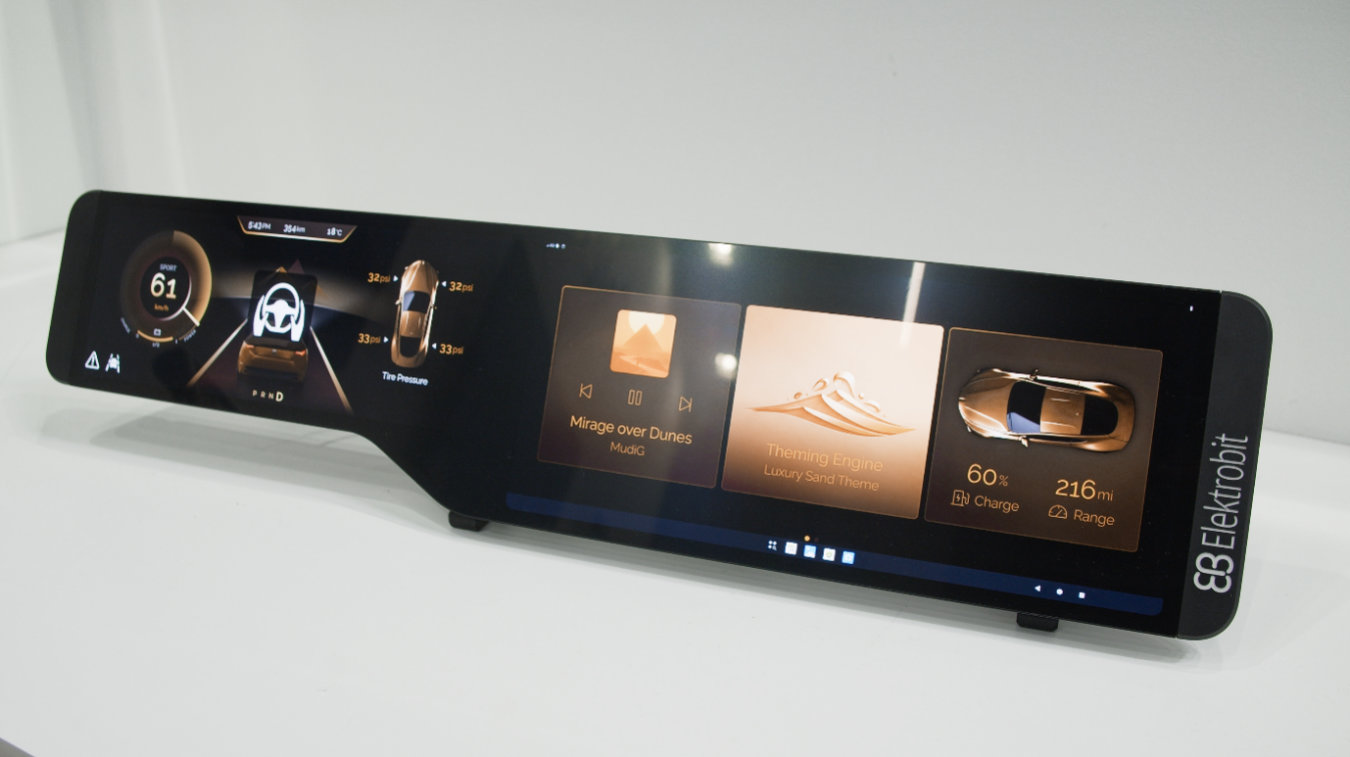
Visitors to the Elektrobit booth explored a wide range of solutions and technologies, including EB civion for contemporary cockpit system projects and experiences, EB zoneo GatewayCore, Integration as Code, Virtual ECU, EB corbos Linux for Safety Applications, and the joint ETAS and Elektrobit ADAS software foundation. Together, these showcases demonstrated Elektrobit’s role in enabling more efficient development, integration, and deployment across future vehicle architectures.
Software-defined vehicle solutions across the full technology stack
Following this portfolio overview, the demos highlighted how Elektrobit supports different layers of the software-defined vehicle stack, from in-vehicle networking and software integration to virtual development and safety-oriented cockpit platforms.
Efficient cockpit HMI development and advanced digital life experiences with EB civion
Elektrobit showcased scalable cockpit systems featuring its EB civion product line which brings together decades of automotive expertise for customers to accelerate development, safe budget, and leverage the driving experience.
EB civion Creator, Core, and Cockpit provide solutions and technologies to tackle the pressure for a fast time-to-market and cost efficiency. Virtual development in simulated target environments emancipates from hardware constraints and enables shift-left development for globally scattered teams. Pre-integrated target software modules and white-label reference IVI systems allow to kickstart cockpit projects. Build-to-print designs for cockpit domain controllers (CDCs) make complete development cycles obsolete, optimize total cost of ownership (TCO), and provide supply chain control.

Scaling software integration and high-performance in-vehicle networking
A key demo was Integration as code, an approach that transforms traditional AUTOSAR integration into a programmable, automated workflow. Instead of relying on manual, expert-driven configuration, integration logic is defined as reusable Python-based rules, enabling teams to execute integration tasks repeatedly, consistently, and at scale. This approach reduces dependency on specialized expertise, shortens feedback cycles, and allows integration workflows to scale by compute rather than by headcount. By enabling deterministic, version-controlled, and CI/CD-ready integration processes, Integration as Code aligns ECU software development with modern software engineering practices while significantly reducing rework caused by upstream changes.
Complementing this, Elektrobit also showcased its EB zoneo GatewayCore in a dedicated demo, highlighting advancements in in-vehicle networking for next-generation E/E architectures. EB zoneo GatewayCore is designed to bridge the gap between hardware-based network accelerators and Classic AUTOSAR software, enabling efficient configuration and integration of complex gateway functionalities. By leveraging hardware accelerators in modern microcontrollers, the solution significantly improves data routing performance while reducing CPU load and power consumption.

Safe cockpit innovation with strong ecosystem collaboration
A key demo at the booth highlighted a safe cockpit architecture developed together with Telechips, Kernkonzept, and Qt. Powered by EB corbos Linux for Safety Applications, the demo showed how safety-certified software, virtualization, and advanced graphics technologies can work together to support next-generation cockpit experiences.
Running on the Telechips Dolphin5 automotive SoC and enabled by the L4Re hypervisor, the demo combined high-performance computing with functional safety capabilities. It also showcased safety-critical telltales integrated into the cockpit interface using Elektrobit’s Digital Life Experience display solution and Qt Safe Renderer.
This collaboration underlined the importance of ecosystem partnerships in bringing advanced, safety-oriented cockpit concepts closer to production.
ETAS and Elektrobit showcase integrated ADAS software foundation
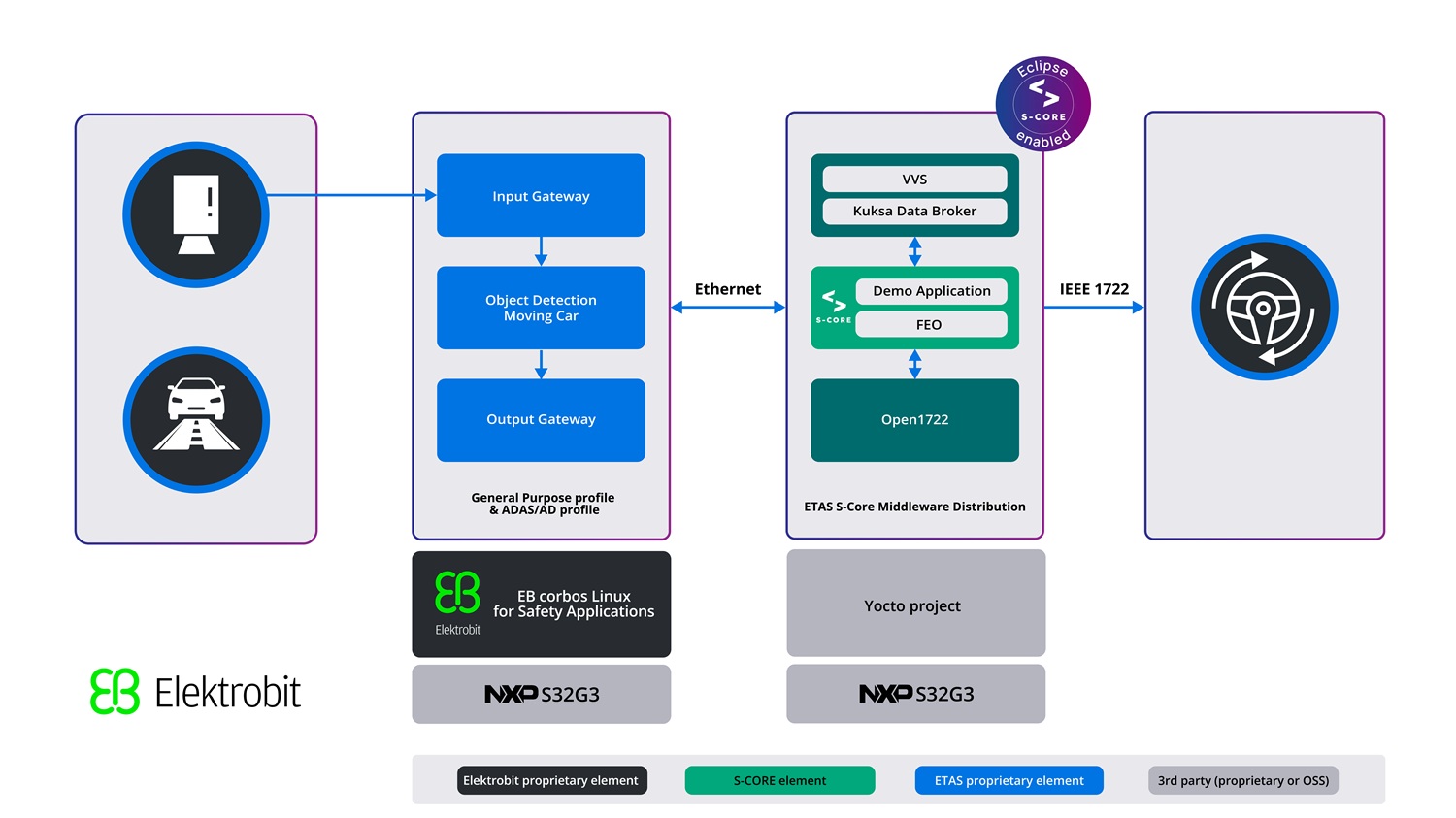
One of the major highlights at JSAE was the ETAS and Elektrobit collaboration demo, which combined EB corbos Linux for Safety Applications with the ETAS Vehicle Software Platform Suite ADAS profile.
Together, the two companies showcased an integrated ADAS software foundation that brings together operating system and middleware components in a pre-integrated setup. This approach helps reduce the effort and risk of combining separate software layers, while providing OEMs and Tier 1 suppliers with a production-ready starting point for ADAS development.
The collaboration reflects a broader industry shift from individual software components toward coordinated, scalable software platforms that can support customer programs from early evaluation and pilot phases through to production development.
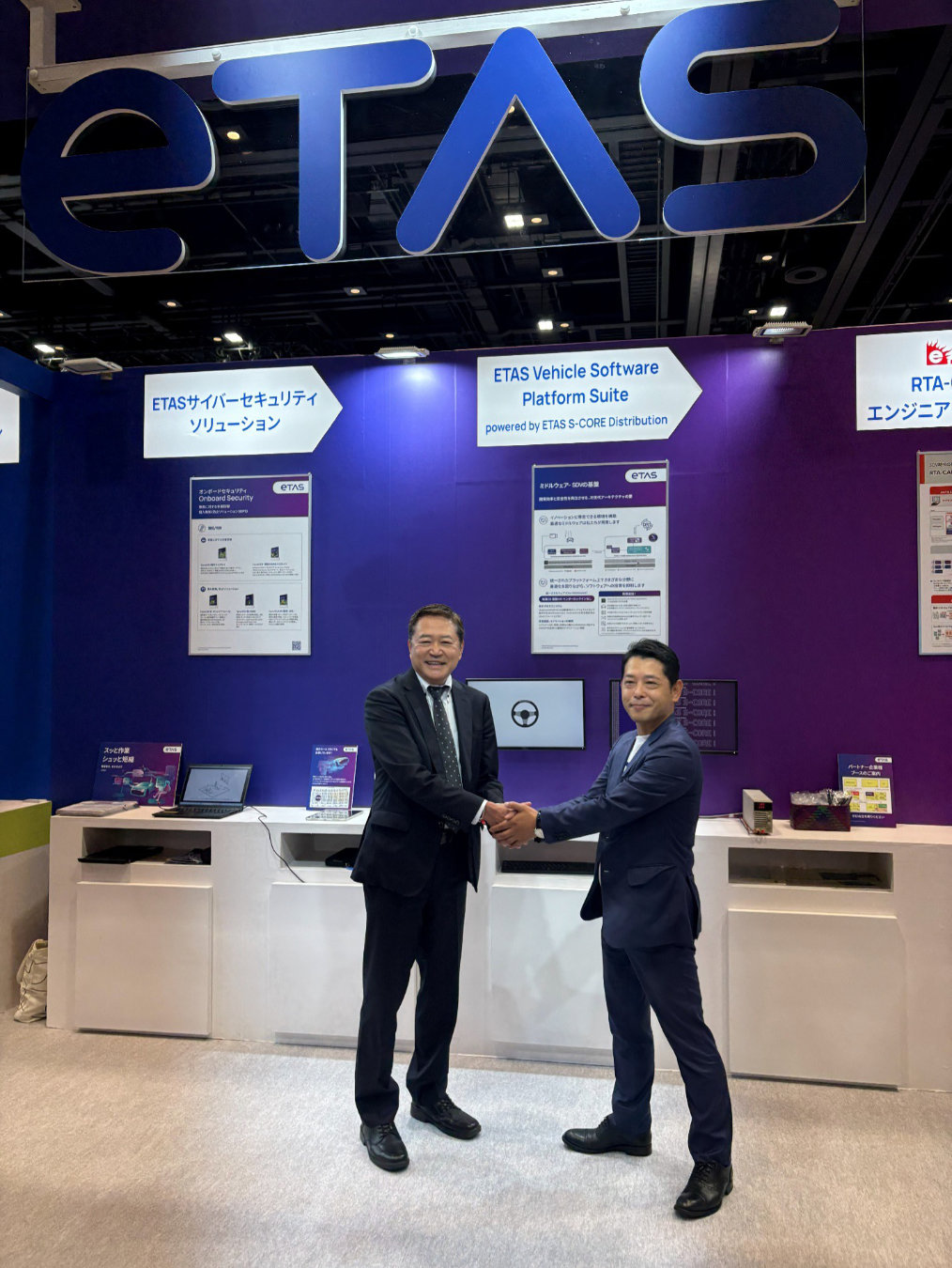
The demo received strong attention at JSAE and was supported by media coverage from MONOist and MarkLines, reinforcing the relevance of the partnership for the Japanese automotive market.
Strong engagement from customers and partners
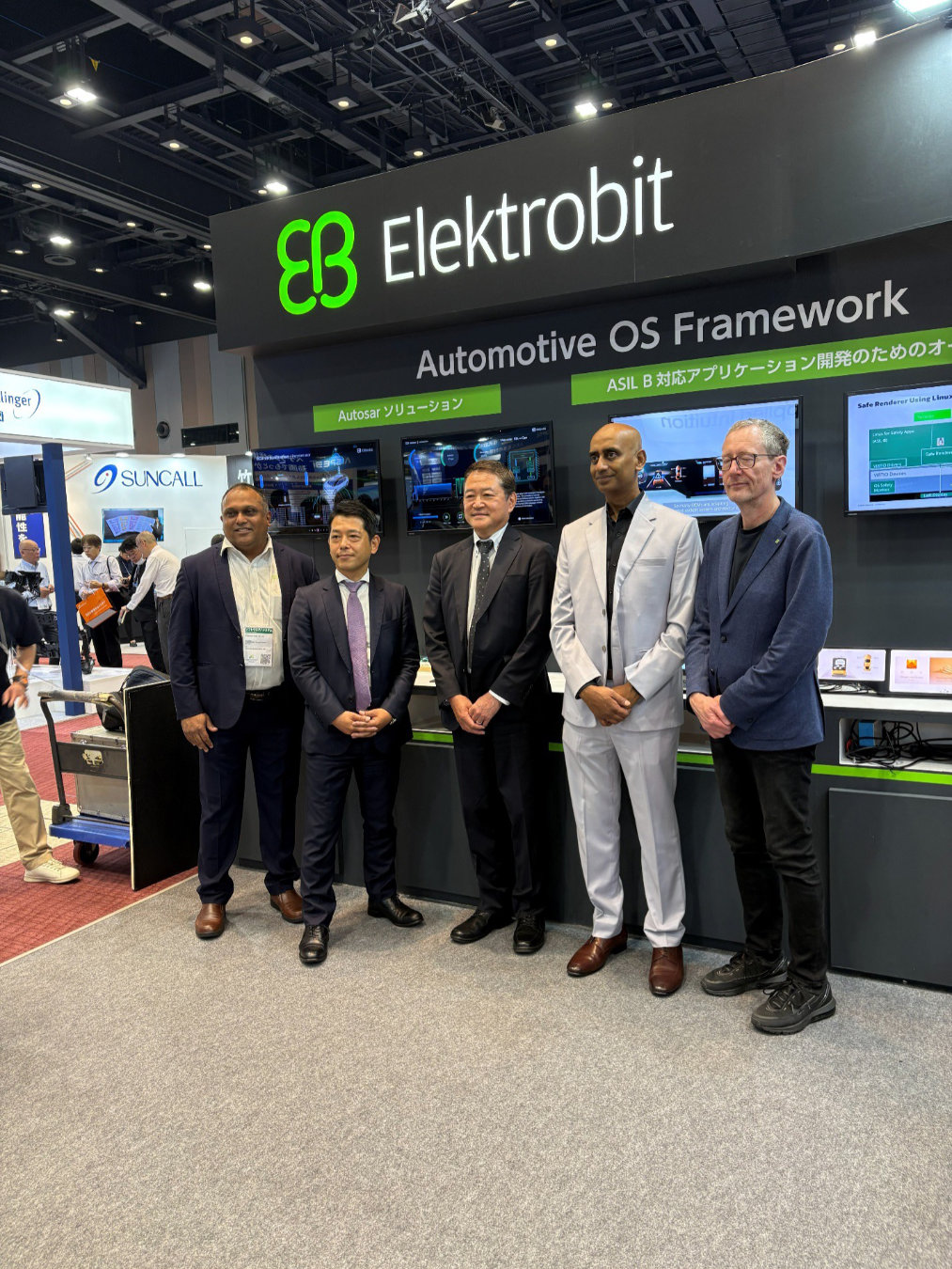
JSAE 2026 provided an important opportunity for Elektrobit to connect with customers, partners, and industry stakeholders in the Japanese automotive market.
Throughout the event, visitors showed strong interest in Elektrobit’s software-defined vehicle solutions, safety-oriented platforms, and next-generation cockpit technologies. Discussions at the booth focused on how scalable software platforms, virtual development approaches, and ecosystem collaboration can help accelerate the development of future vehicle architectures.
The strong engagement at JSAE underlined the growing relevance of integrated software platforms for OEMs and Tier 1 suppliers as they move toward more software-defined and connected vehicles.
Building on the momentum from JSAE
Following JSAE 2026, Elektrobit will continue to engage with customers and partners on the topics showcased at the event, including Automotive OS Framework, Digital Life Experience, safety-oriented Linux solutions, and the ETAS and Elektrobit collaboration for ADAS software foundations.
The event marked another important step in strengthening Elektrobit’s presence in Japan and supporting the automotive industry’s transition toward scalable, software-defined vehicle platforms.
Contact us today to discover how Elektrobit can help you accelerate your software-defined vehicle journey with scalable platforms, safety-oriented software, and production-ready solutions for future vehicle architectures.
Author

An Phan Viet My
Partner Marketing Manager


