Reading time
6-7 minutes
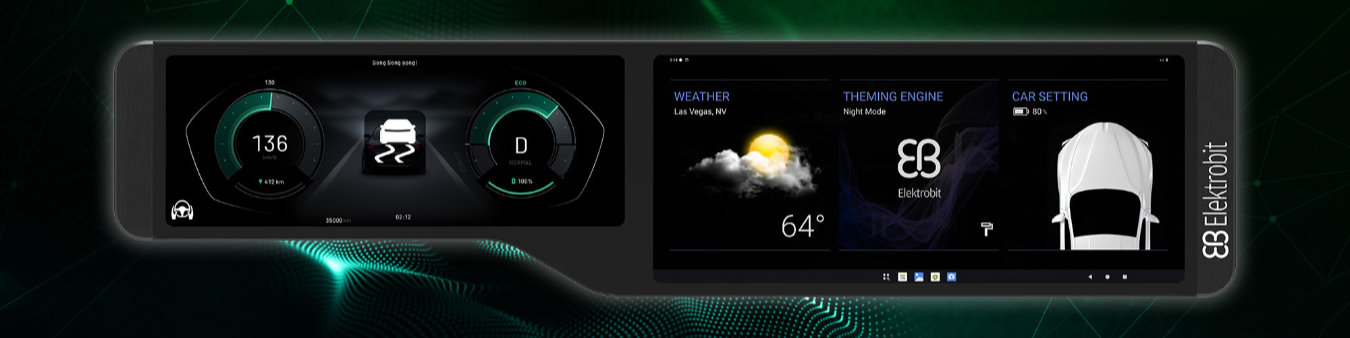
Given growing consumer demand for next-gen automotive cockpit features, infotainment increasingly takes center stage. Elektrobit’s EB corbos Linux for Safety Applications is purpose-built to ensure these compute-intensive systems co-exist flawlessly with mission-critical safety systems.
As automotive OEMs compete to differentiate in an increasingly crowded market, the cockpit has become a critical battleground. Consumers now expect vehicles to deliver the same seamless digital experiences they enjoy elsewhere in their connected lives — immersive infotainment, personalized interfaces, real-time services, ambient experiences, and increasingly sophisticated driver assistance features.
At the same time, automakers face a difficult engineering reality: none of these enhancements can come at the expense of safety.
Modern cockpit systems are no longer isolated domains running on separate hardware. Instead, the industry is rapidly moving toward consolidated architectures built on centralized high-performance computing (HPC) platforms. Instrument clusters, infotainment systems, advanced graphics, and other digital cockpit functions now often share the same compute resources.
This shift creates enormous opportunities for innovation — but it also introduces significant complexity. Compute-intensive infotainment workloads must coexist alongside mission-critical safety applications without interference. Graphics processing resources must be allocated intelligently across domains. Functional separation must remain absolute, even as systems become increasingly interconnected.
In today’s software-defined vehicles, ensuring the safe integration of low-criticality and high-criticality applications is no longer optional. It is a core requirement for every automotive engineering team.
A safety-certified Linux environment for consolidated cockpits
To address these challenges, Elektrobit developed EB corbos Linux for Safety Applications — an open-source operating environment designed specifically for automotive HPC systems that require both advanced functionality and functional safety compliance.
Built on Ubuntu and extending the EB corbos Linux platform, EB corbos Linux for Safety Applications combines the flexibility and rich ecosystem of Linux with the rigorous safety and security requirements demanded by modern automotive architectures.
The solution is designed to support compliance with key automotive and industrial safety standards, including ISO 26262, ASIL B, and SIL 2. It enables OEMs and Tier 1 suppliers to consolidate cockpit systems onto shared HPC hardware while maintaining strict isolation between safety-critical and non-safety-critical domains.
This means engineering teams can confidently integrate feature-rich infotainment experiences alongside certified safety systems — without compromising determinism, reliability, or security.
The platform also helps accelerate development through virtualization, software reuse, process automation, and integrated tooling. The package includes an SDK, tooling, and source code, enabling developers to streamline integration efforts while reducing both development time and cost.
Rather than forcing automakers to choose between innovation and compliance, EB corbos Linux for Safety Applications enables both.
Demonstrating real-world performance at Embedded World Nuremberg 2026
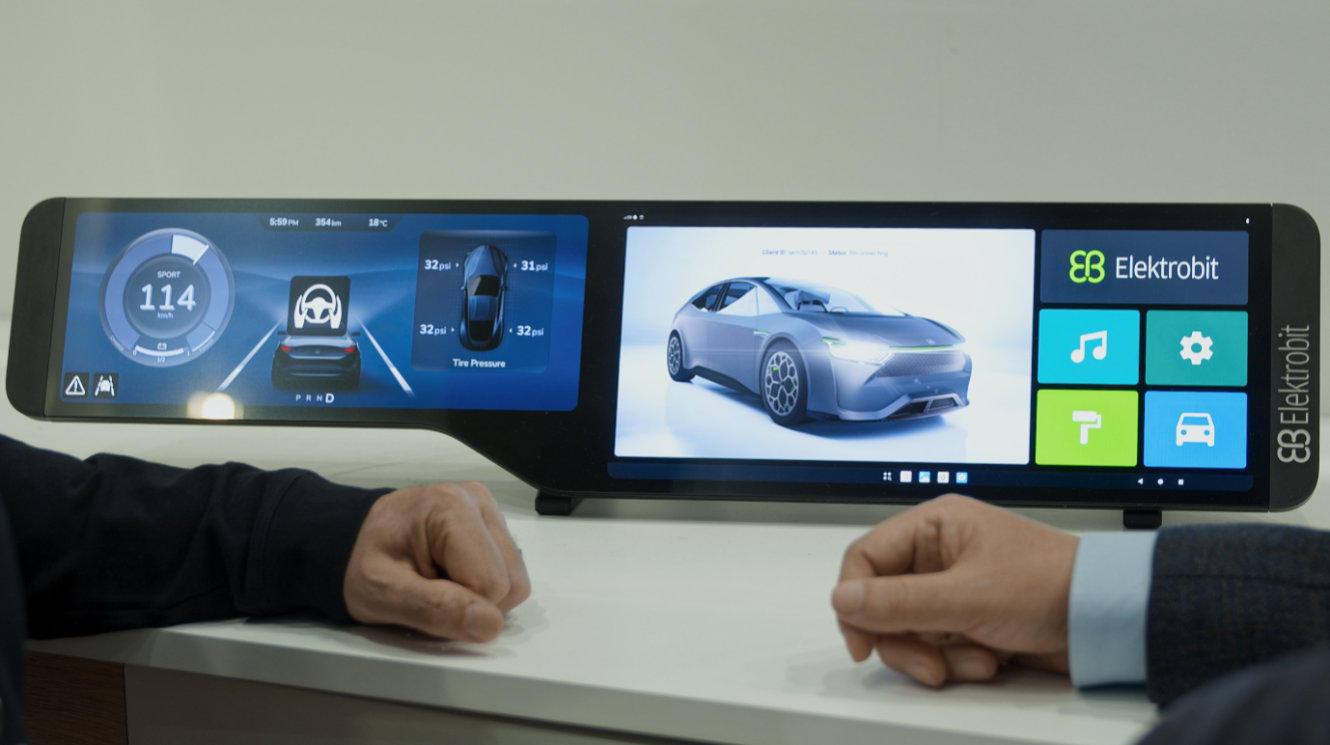
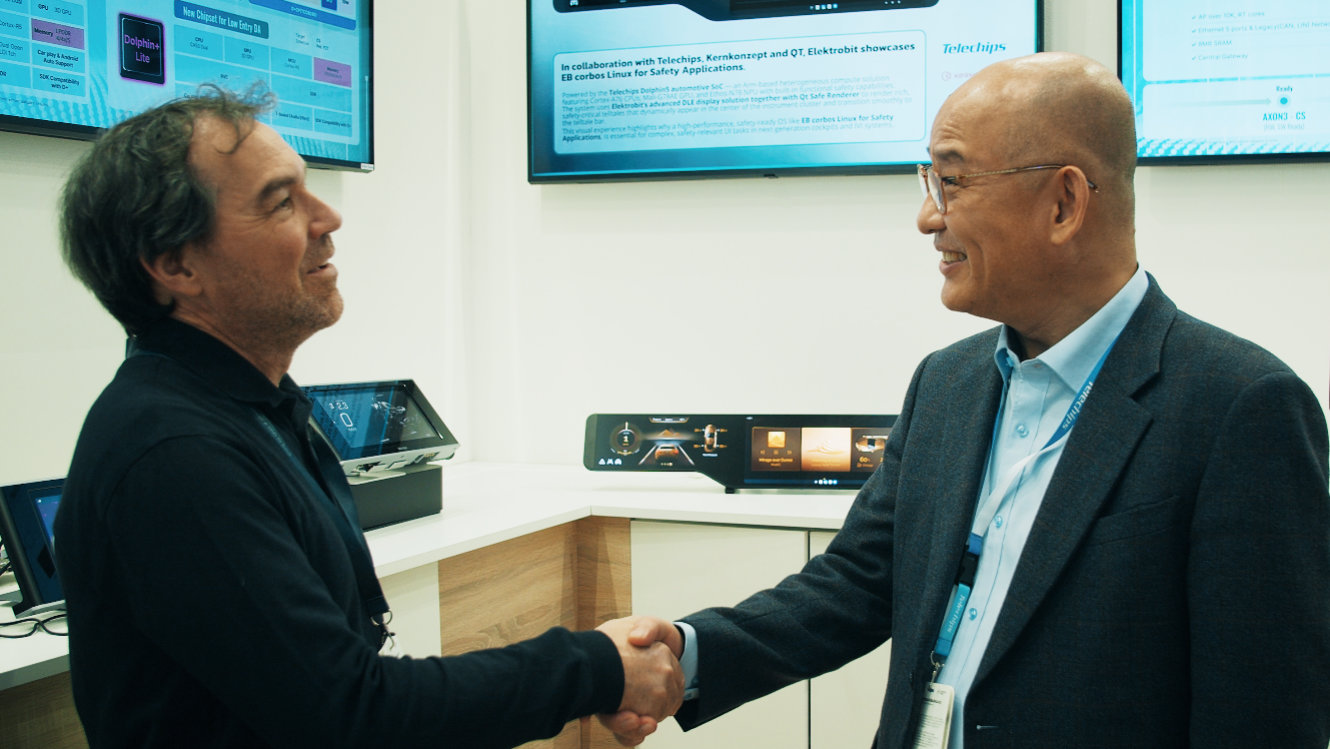
Elektrobit recently demonstrated these capabilities live at Embedded World Nuremberg 2026, where thousands of attendees experienced a real-world consolidated cockpit architecture running on shared HPC hardware.
The demo showcased an Android-based infotainment system operating simultaneously alongside a safety-critical instrument cluster. Both environments ran in separate virtual machines, ensuring strict functional separation while sharing the same underlying platform.
EB corbos Linux for Safety Applications provided the Linux-based safety environment for the cluster, integrating established software components into a certifiable framework. GPU virtualization enabled high-performance graphics workloads to coexist with safety-critical functionality without interference.
The demonstration highlighted a key industry reality: advanced cockpit graphics and rich infotainment experiences can safely coexist with mission-critical systems when supported by the right architecture and isolation mechanisms.
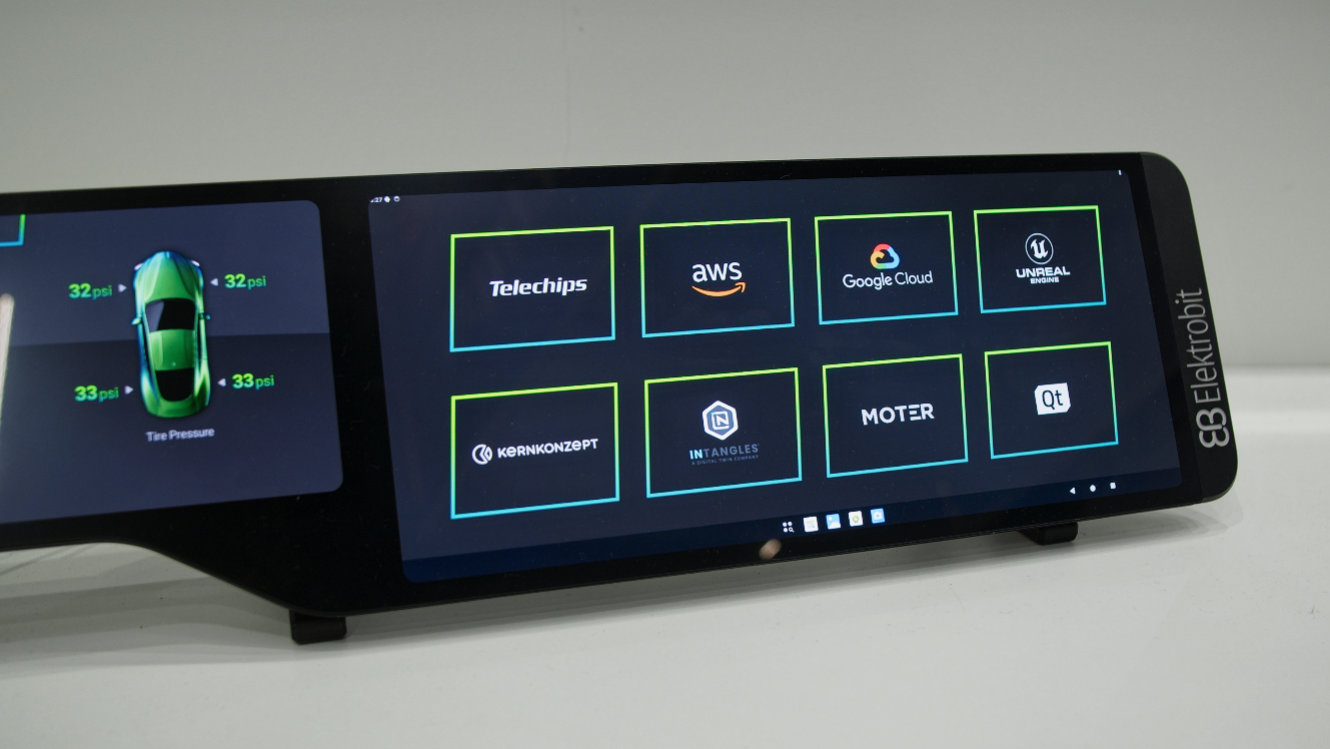
Elektrobit collaborated with Telechips, which provided the hardware platform, and Kernkonzept, which contributed the L4Re-based virtualization and isolation layers as well as the Virtio-based Android-IVI for the demonstration. Using Elektrobit’s advanced display solution with Qt Safe Renderer, the system also rendered rich, safety-critical telltales that dynamically appeared in the center cluster and transitioned seamlessly to the telltale bar.
For attendees, the value was practical and tangible — not theoretical. The live setup showed how consolidated cockpit systems can deliver both immersive user experiences and uncompromising safety on production-relevant hardware.
Experience the demo at JSAE Yokohama
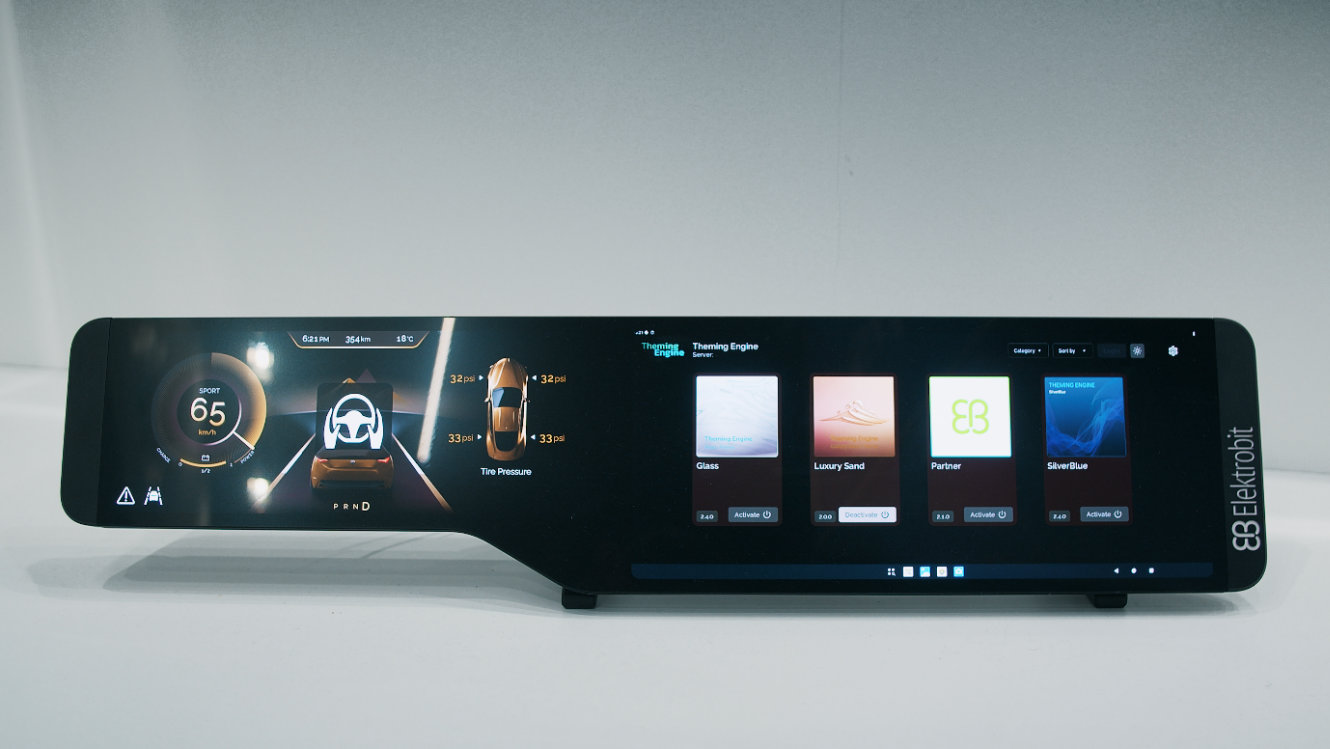
Building on the momentum from embedded world 2026, Elektrobit will also showcase the demo at the upcoming JSAE Yokohama exhibition.
Visitors to the Elektrobit booth will have the opportunity to experience firsthand how Android IVI, a safety-certified Linux environment, and GPU virtualization work together within a consolidated cockpit architecture running on shared HPC hardware.
The demo illustrates how OEMs and suppliers can simplify system integration, accelerate software development, and maintain strict safety isolation — all while enabling the next generation of digital cockpit experiences consumers increasingly expect.
If your organization is exploring consolidated cockpit architectures or evaluating approaches for safely integrating infotainment and safety-critical systems, this is an opportunity to see the technology in action and discuss implementation strategies directly with Elektrobit experts.
You can find Elektrobit at booth N70 during JSAE Yokohama.
Start exploring EB corbos Linux for Safety Applications
In addition to the live demonstrations, Elektrobit also offers a free demo package of EB corbos Linux for Safety Applications for evaluation and prototyping purposes.
The package allows developers and engineering teams to begin exploring consolidated cockpit architectures and experience how advanced infotainment functionality can coexist with stringent safety compliance requirements.
While the free software package is intended for prototyping only and not for mass production, it provides an accessible starting point for teams looking to accelerate cockpit innovation while maintaining functional safety standards.
As cockpit systems continue evolving, the industry will increasingly demand platforms capable of delivering both engaging user experiences and uncompromising reliability. EB corbos Linux for Safety Applications was designed specifically to meet that challenge — helping automotive innovators eliminate the traditional tradeoff between infotainment performance and safety certification.
Contact us today to discover how EB corbos Linux for Safety Applications helps automotive innovators bridge the gap between infotainment innovation and functional safety.
Author

Paulo Lopes
Solution Marketing Manager HPC


